Breaking Down the Cost of Customized Window Treatment Costs
- Alex Murphy
- May 19
- 4 min read

When it comes to enhancing the aesthetic and functionality of your living or working space, custom window treatments offer an unmatched blend of style and practicality. However, understanding the customized window treatment costs can be complex. From material choices to installation fees, many factors influence the final price. I will guide you through these elements, helping you make informed decisions that align with your budget and design goals.
Understanding Customized Window Treatment Costs
Customized window treatments are tailored solutions designed to fit your specific window dimensions, style preferences, and functional needs. Unlike off-the-shelf options, these treatments provide a perfect fit and a unique look that complements your interior design.
Several components contribute to the overall cost:
Material quality: Fabrics, wood, metal, or synthetic materials vary widely in price.
Type of treatment: Blinds, shades, shutters, or drapes each have different manufacturing and installation complexities.
Size and number of windows: Larger or multiple windows increase material and labor costs.
Customization level: Features like motorization, special finishes, or unique patterns add to the price.
Installation: Professional fitting ensures durability and performance but adds to the expense.
For example, a simple roller blind made from basic fabric will cost significantly less than a motorized wooden shutter with custom finishes. Knowing these variables helps you prioritize what matters most for your space.
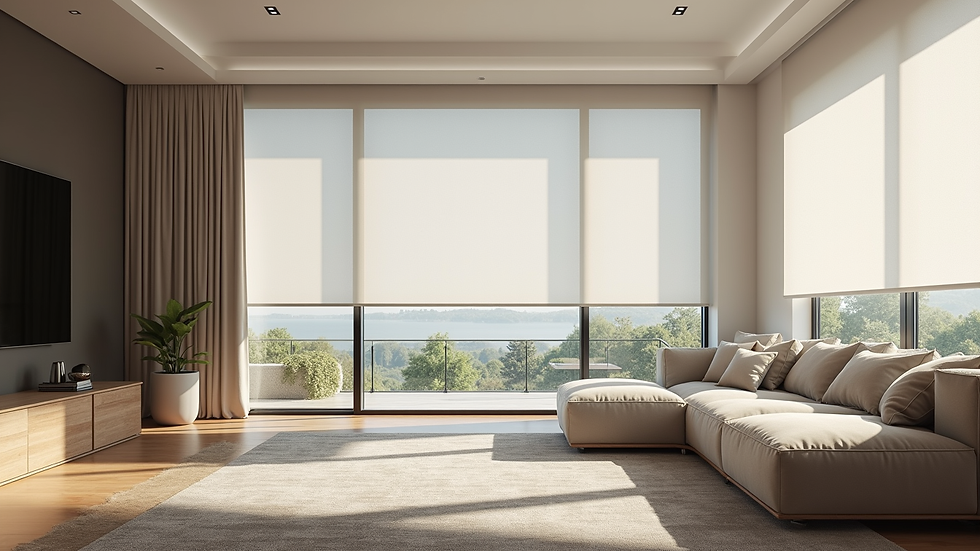
Factors Influencing the Price of Custom Window Treatments
Breaking down the price further, here are the key factors that affect the cost:
Material Selection
The choice of material is the foundation of your window treatment’s look and durability. Natural fabrics like silk or linen tend to be more expensive than synthetic blends. Wood shutters offer a classic, high-end appearance but come with a higher price tag compared to vinyl or aluminum blinds.
Style and Functionality
Different styles come with varying production costs. For instance:
Roman shades require more fabric and intricate sewing.
Cellular shades offer energy efficiency but involve complex manufacturing.
Motorized options add convenience but increase both product and installation costs.
Size and Window Shape
Standard rectangular windows are easier and cheaper to cover. Custom shapes such as arches, circles, or bay windows require specialized measurements and fabrication, which can significantly raise the price.
Installation Complexity
Professional installation is crucial for custom treatments. Complex window configurations or hard-to-reach areas may require additional labor, increasing the overall cost.
Additional Features
Extras like blackout lining, UV protection, or child safety mechanisms also influence pricing. These features enhance functionality but come at an added cost.
Understanding these factors allows you to balance aesthetics, functionality, and budget effectively.
How much should you budget for window treatments?
Budgeting for custom window treatments depends on your specific needs and preferences. Here’s a general guideline to help you plan:
Basic custom blinds or shades: $150 to $400 per window
Mid-range options with better materials or motorization: $400 to $800 per window
High-end treatments like wooden shutters or designer fabrics: $800 to $1,500+ per window
For a typical home or office with multiple windows, costs can add up quickly. It’s wise to prioritize which rooms or windows need premium treatments and where simpler options will suffice.
To get the best value, consider:
Measuring your windows accurately to avoid costly errors.
Requesting multiple quotes from reputable providers.
Discussing your budget upfront to explore suitable options.
Considering long-term benefits such as energy savings and increased property value.
By setting a realistic budget, you can enjoy the benefits of custom window treatments without unexpected financial strain.

Practical Tips for Managing Costs Without Compromising Quality
Balancing cost and quality is essential when investing in custom window treatments. Here are actionable recommendations:
Choose durable materials: Investing in quality fabrics or wood ensures longevity, reducing replacement frequency.
Opt for partial customization: Customize key elements like fabric or color while selecting standard sizes to save money.
Consider manual over motorized options: Motorization adds convenience but can double the cost.
Plan for energy efficiency: Treatments that improve insulation can lower utility bills, offsetting initial expenses.
Bundle orders: Ordering treatments for multiple windows at once often qualifies for discounts.
Schedule installation during off-peak seasons: Some companies offer lower rates during slower periods.
These strategies help you achieve a stylish, functional window treatment solution that fits your financial plan.
Final Thoughts on Investing in Custom Window Treatments
Investing in custom window treatments is a decision that enhances both the beauty and utility of your space. While the initial outlay may seem significant, understanding the variables that affect pricing empowers you to make choices that deliver lasting value.
Remember, the cost of custom window treatments reflects not just the product but the craftsmanship, materials, and expertise involved. By carefully considering your needs, budget, and the factors outlined here, you can confidently select window treatments that elevate your environment and stand the test of time.
Custom window treatments are more than just coverings - they are an investment in comfort, style, and quality. Take the time to explore your options and partner with trusted professionals to bring your vision to life.


Comments